
Monte Verde Site Date Revised, Impact on History Limited
Monte Verde, a key archaeological site in Chile, is now dated at 8,000 years old instead of 14,500. This adjustment has minimal effect on the broader understanding of early Americans.
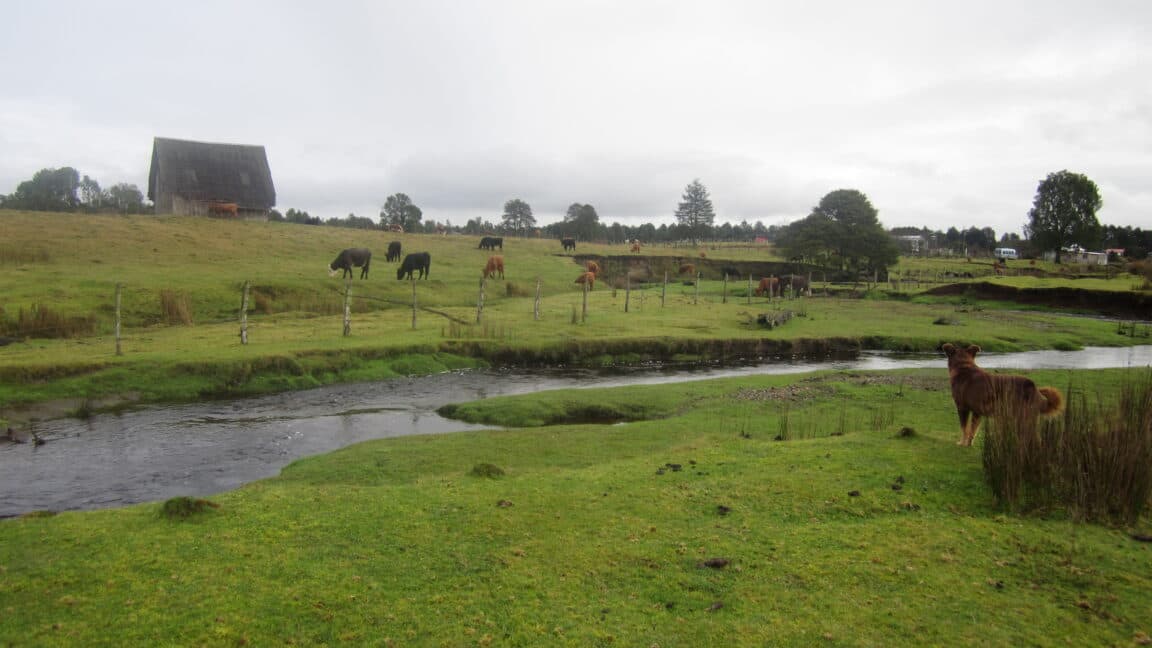
A significant archaeological site in Chile, Monte Verde, has been found to be several thousand years younger than previously believed. Researchers from the University of Wyoming, led by archaeologist Todd Surovell, revised the site's age to 8,000 years, down from the earlier estimate of 14,500 years.
Monte Verde's original dating was important as it suggested human habitation in the Americas well before the end of the last Ice Age. However, Surovell and his team's new findings do not significantly alter the broader narrative regarding the peopling of the Americas, nor do they revive the 'Clovis First' hypothesis.
In 1997, archaeologists first reported radiocarbon dates indicating that Monte Verde was approximately 14,500 years old. This contradicted the prevailing belief that humans did not inhabit the Americas until at least 13,000 years ago. Subsequent studies initially supported the original dates, which indicated that organic materials found at the site were indeed that old.
It took nearly a decade for the archaeological community to accept Monte Verde's significance, which reshaped the understanding of early human migrations into the Americas. However, Surovell and his colleagues reassessed the previous dates and concluded that the site could not be older than 8,000 years. This leads to questions about whether the sediment layer, thought to be 14,500 years old, actually covered the site at that time.
The team's analysis examined sediment layers surrounding Monte Verde, revealing a complex geological history, including layers deposited by glaciers and volcanic activity. They noted that the current surface of the site was formed through erosion during the Early Holocene period, suggesting that any conclusions drawn about early human habitation based on the earlier dates should be reconsidered.
While the findings may generate some debate among geologists and archaeologists, they do not significantly alter the larger discussion on the settlement of the Americas. Surovell and his colleagues stated that a Holocene age for Monte Verde does not support the idea of a later initial human colonization.
Historically, many introductory archaeology courses taught that the first Americans migrated southwards through an ice corridor around 13,000 years ago. The Clovis culture, identified through distinct stone tools, was considered the first human presence in the Americas. However, in recent years, older artifacts and evidence have emerged from various sites, challenging the Clovis First narrative.
Excavations have uncovered artifacts and remains that date back as far as 18,000 years in locations such as Florida, New Mexico, and Argentina. These findings suggest that humans likely migrated to the Americas along the Pacific coast long before the well-known Clovis culture existed.
It remains plausible that some groups entered through an ice-free corridor as the ice sheets receded, but they likely encountered a landscape already inhabited by other humans. The broader story of human migration indicates that movements occur in waves, influenced by environmental changes rather than a single migration event.