
Publisher Withdraws Horror Novel Amid AI Writing Allegations
Mia Ballard's horror novel 'Shy Girl' faces backlash over claims of AI authorship. Publisher Hachette halts its release following a New York Times investigation.
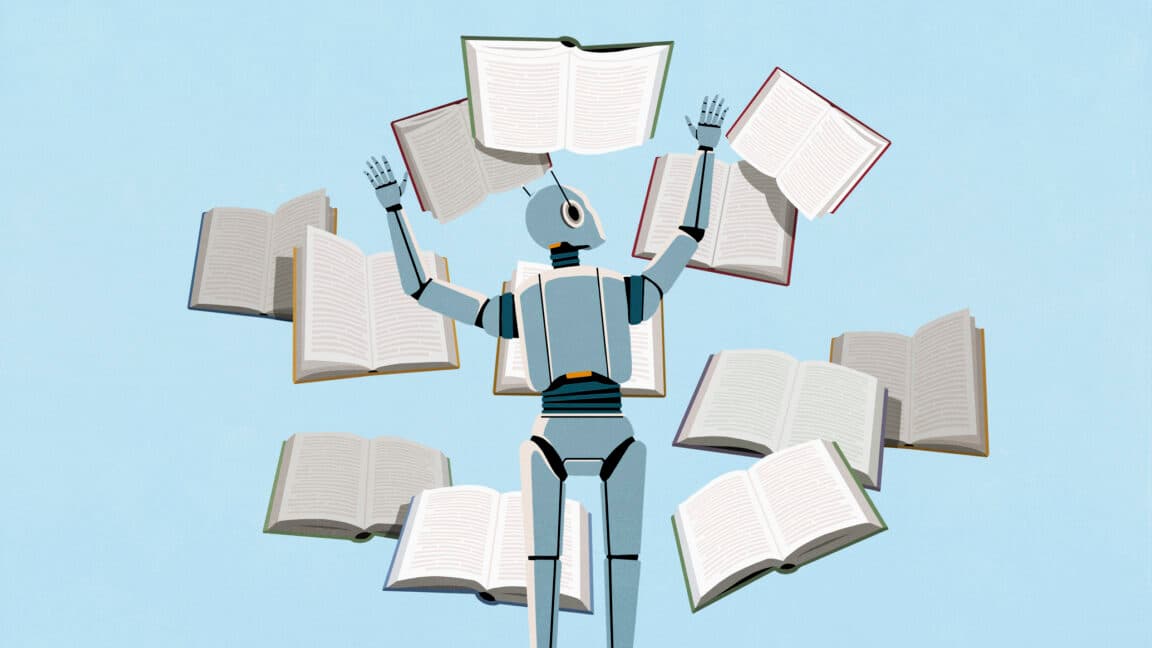
'Shy Girl,' a horror novel by Mia Ballard, recently transitioned from self-publication to a major release before being pulled from the UK market by publisher Hachette.
This decision came after a New York Times investigation suggested significant portions of the book may have been generated by artificial intelligence.
The novel, self-published in 2025, garnered attention on social media for its storyline about a woman named Gia, who, struggling with depression and OCD, becomes involved with a 'sugar daddy' who pays her debts in exchange for her living as his pet. As the narrative unfolds, Gia's transformation takes a dark turn.
While some readers praised Ballard's writing, describing it as captivating, others criticized it harshly on platforms like Goodreads, labeling it as poorly executed and repetitive.
Amidst these varied opinions, concerns arose about the authenticity of the writing. Some readers and critics claimed that certain passages resembled text generated by chatbots.
In January 2026, a Reddit user claiming to be an experienced book editor argued that the novel displayed characteristics typical of AI-generated literature, expressing dismay over its publication by a leading UK publisher.
This sentiment was echoed in a lengthy YouTube video that accumulated 1.2 million views, reiterating the allegations of AI authorship.
AI detection firms, such as Pangram, also suggested that the book exhibited traits of AI generation. Despite these allegations, Hachette initially planned to release the novel in the US later this year.
However, following the New York Times' investigation, which utilized AI detection tools to analyze the text, Hachette decided to withdraw 'Shy Girl' from the UK market and cancel its US debut. The investigation identified patterns in the text indicative of AI generation, including logical gaps and excessive melodrama.
In response, Ballard denied using AI in her writing, though she acknowledged that a friend who assisted with editing may have utilized AI tools. She expressed distress over the controversy, stating it has negatively impacted her mental health and reputation, and mentioned that she is considering legal action.
This incident marks a significant moment in the traditional publishing industry, which has largely resisted AI-generated content. The situation reflects a growing concern about the implications of AI in creative fields, similar to the disruptions seen in the music industry, where AI-generated content is becoming increasingly prevalent.
Despite the controversy surrounding 'Shy Girl,' many readers enjoyed the book and actively promoted it online, raising questions about the future of writing in an era where AI tools are becoming more commonplace.