
SteamOS Update Introduces Support for Steam Machines
Valve has launched a significant SteamOS update, enhancing support for Steam Machines and other hardware. The update improves compatibility and performance for gaming devices.
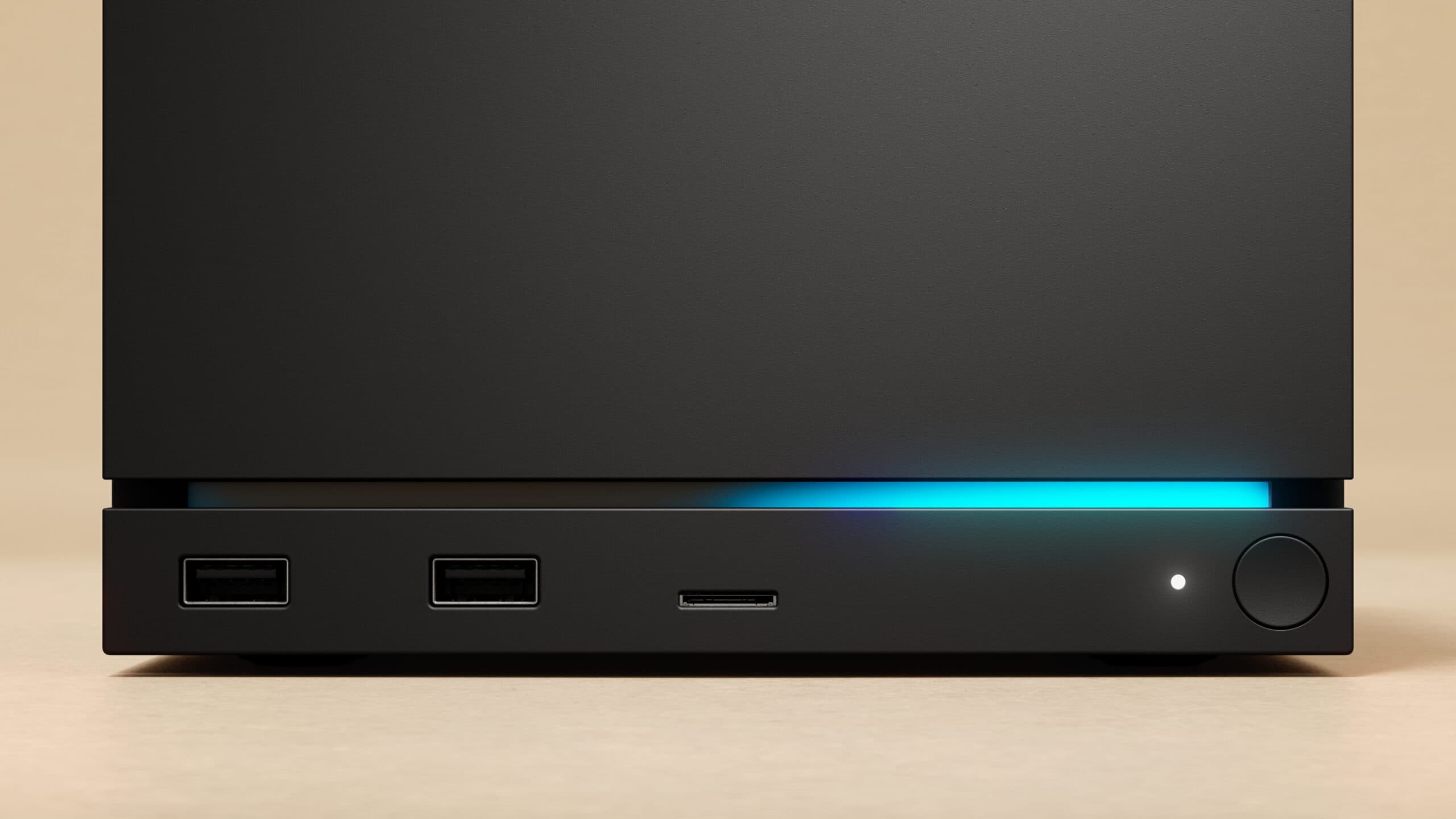
Valve's Steam Machine desktop remains in a challenging position, primarily due to persistent issues with pricing and availability of memory and storage components. The rising demand from AI data centers has led to a shortage of these essential components for enthusiast hardware like the Steam Machine and the Steam Frame VR headset. The well-established Steam Deck is also currently out of stock amid ongoing component shortages.
Despite this hardware uncertainty, Valve has continued to focus on software development, announcing a major update this week. The preview release of SteamOS 3.8.0 includes a comprehensive list of changes aimed at enhancing functionality for the Steam Deck, third-party gaming handhelds, and other PC hardware, while also introducing initial support for upcoming Steam Machine hardware.
This update brings various improvements derived from upstream Linux components. Key enhancements include a new Arch Linux base, an upgraded graphics driver, version 6.16 of the Linux kernel, and an updated KDE Plasma desktop environment for Desktop Mode, which now operates on Wayland instead of X11.
These enhancements contribute to improved compatibility with the latest Intel and AMD platforms and boost support for third-party controller accessories, newer AMD processors like the Ryzen Z2 Extreme, and various third-party gaming handhelds such as the Asus ROG Xbox Ally, Lenovo Legion Go, and MSI Claw—one of the few gaming handhelds powered by Intel, as most devices typically utilize AMD processors.
A significant improvement for the Steam Machine and other desktop systems is the enhanced video memory management for discrete GPU platforms. Previous testing revealed that GPUs with 8GB of RAM experienced poorer performance on SteamOS compared to Windows, a crucial concern for Valve since the Steam Machine is equipped with a Radeon RX 7600 GPU featuring 8GB of video memory.
In contrast, GPUs with 16GB or integrated graphics that dynamically allocate system memory did not exhibit the same performance issues. Further testing with this new SteamOS update will be necessary to assess any improvements in performance.
Additional changes focusing on the Steam Machine, which will also benefit users building their own systems, include improved HDMI audio support, fixes for performance problems in Desktop Mode, enhanced HDR and variable refresh-rate display support, improved default scaling on TV screens, better handling of rotated screens, and the ability to set different scaling modes for multiple monitors.
Valve envisions the Steam Machine as a console-like computer suitable for connecting to TVs, while also acknowledging that some users may prefer to use it as a conventional desktop PC.
Users currently running SteamOS 3.7 can access the new SteamOS 3.8 preview update by navigating to Settings, then System, and switching the System Update Channel to 'Preview.'
Valve has expressed its intention to launch the Steam Machine within the first half of the year, although specific pricing and availability details have yet to be disclosed.