
US to Compensate TotalEnergies $1B to Halt Wind Projects
The Trump administration will pay TotalEnergies $1 billion to cease offshore wind development. This deal aims to redirect funds toward fossil fuel investments in the U.S.
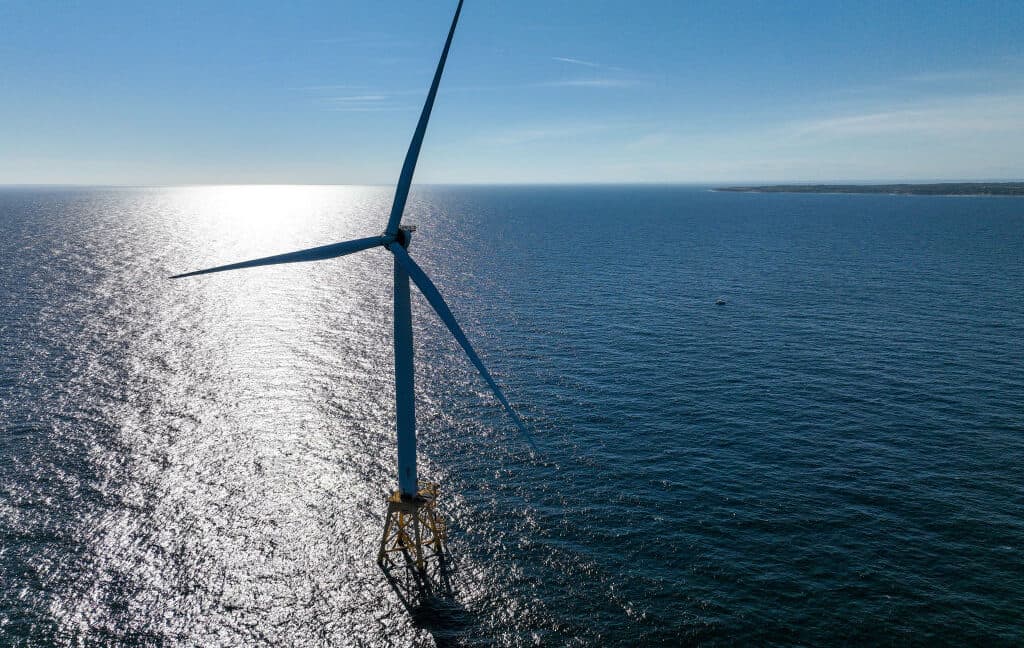
On Monday, the Trump administration unveiled a new strategy to impede offshore wind development by offering financial incentives to companies to abandon their lease sites, which they had acquired under the Biden administration. The Department of the Interior plans to reimburse France’s TotalEnergies approximately $1 billion, with the condition that the company invests that amount in fossil fuel projects based in the U.S. and refrains from any further offshore wind initiatives in the country.
Speculation about this agreement surfaced the previous week, following the administration's unsuccessful attempts to halt ongoing offshore wind projects after construction commenced. Under the terms of the deal, TotalEnergies will channel around $1 billion into oil and natural gas ventures within the U.S. In exchange, the U.S. government will pay the company for relinquishing two offshore wind lease areas. One of these sites was intended for a relatively modest project near the Carolinas, while the other, Attentive Energy, is a significant location off the coast of New Jersey with the potential to generate 3 Gigawatts of power—a capacity that neighboring states would struggle to replace.
In addition to abandoning these projects, TotalEnergies has agreed to forgo any future offshore wind development in the U.S. The announcement accompanying this deal contained rhetoric that seemed disconnected from current realities. The world is facing price fluctuations in oil and natural gas, largely due to U.S. actions involving Iran. Although the U.S. produces a surplus of these resources, global market dynamics influence prices, leading to increased costs for American consumers. Nevertheless, the arrangement would enable TotalEnergies to construct an additional liquefied natural gas export terminal, further exposing U.S. consumers to potential future price volatility.
Despite these concerns, the announcement claimed that this agreement would help “lower costs for American families.” Interior Secretary Doug Burgum stated, “We welcome TotalEnergies’ commitment to developing projects that produce dependable, affordable power to lower Americans’ monthly bills.” The announcement also highlighted criticisms of subsidies for offshore wind, while emphasizing that companies had already paid for their development rights.